Comfort First: Why a Dual Laminate Night Guard Feels Different
Nighttime teeth grinding and clenching can silently damage your smile, cause jaw pain, and wreck sleep quality. Many people reach for a guard — but not all night guards are created equal. A dual laminate design, featuring a soft internal layer and a hard occlusal surface, gives you the best of both worlds: cushioning where you need comfort and strength where you need protection. If you’re comparing options, consider the bold, clear, and clinically effective solution of a hard soft night guard (dual laminate) or a precision occlusal guard hard full arch for serious bruxers.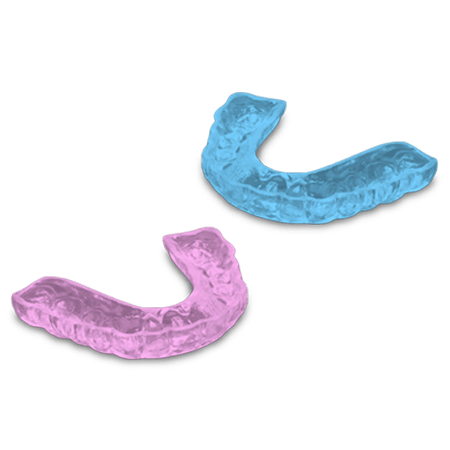
What makes a dual laminate a great choice?
Dual laminate night guards are constructed with two bonded materials: a soft inner liner that rests against the teeth and gums, and a tougher, highly polished outer occlusal surface that takes the bite forces. This structure solves two common problems:
- Comfort without compromise. The soft inner layer reduces soreness and irritation, making it easier to wear every night.
- Durable protection. The hard occlusal surface prevents rapid wear, preserves the shape of the appliance, and shields your natural teeth from attrition.
Because of this combination, the hard soft night guard is often preferred by patients who find fully hard guards uncomfortable and fully soft guards insufficiently protective.
Clear appearance + optional colors
Most dual laminate guards are clear by default, keeping them discreet in the mouth. For patients who want personality or easier identification, manufacturers commonly offer Blue or Pink as optional colors for a small additional fee — useful for couples, families, or anyone who prefers a custom look. The clear option remains the most popular for its near-invisibility.
Who should choose a dual laminate vs. a full-hard occlusal guard?
Dual laminate (hard-soft night guard) is ideal when:
- You need cushioning due to sensitive teeth, gingival sensitivity, or prior discomfort with rigid appliances.
- You clench heavily, but your primary issue is soreness and muscle fatigue rather than extreme tooth wear.
- You value comfort for nightly wear and want an appliance that is easy to adapt to.
Occlusal guard hard full arch (fully hard, full-coverage) is preferable when:
- You are a severe bruxer with heavy tooth-to-tooth grinding that will quickly abrade soft materials.
- You need long-lasting occlusal stability and minimal material deformation over time.
- Your dentist recommends full-arch rigid stabilization to manage TMJ issues or advanced wear.
Full-arch coverage explained
An occlusal guard hard full arch covers all the biting surfaces of either the upper or lower teeth (commonly the upper). This full-arch design ensures even distribution of occlusal forces and prevents tooth-by-tooth migration or uneven wear. When paired with a properly adjusted hard occlusal surface, it becomes a robust barrier against destructive grinding.
Adjustment and day-to-day ease
One major advantage of the dual laminate is adjustability. The soft inner layer allows minor intra-oral trimming and smoothing by clinicians or lab technicians without compromising the occlusal integrity. Because the hard top is polished and contoured, adjustments tend to be fast and produce comfortable results.
Practical tips for a smooth adaptation
- Start wearing the guard for short periods during the day to break it in.
- Use a water-based denture adhesive only if recommended by your dentist.
- Bring the guard to follow-up appointments so your clinician can make fine adjustments to the occlusal contacts.
Conclusion
If you value comfort but still require strong protection, a hard soft night guard (dual laminate) offers a compelling middle ground: soft, welcoming contact with the teeth and a tough, wear-resistant occlusal surface that preserves your dental health. Severe, long-term grinders may prefer an occlusal guard hard full arch, but many patients find the dual laminate’s comfort, adjustability, and discreet clear appearance (with optional Blue or Pink color upgrades) to be the most patient-friendly solution. Talk to your dentist about which design matches your severity of bruxism, esthetic preference, and long-term protection needs.